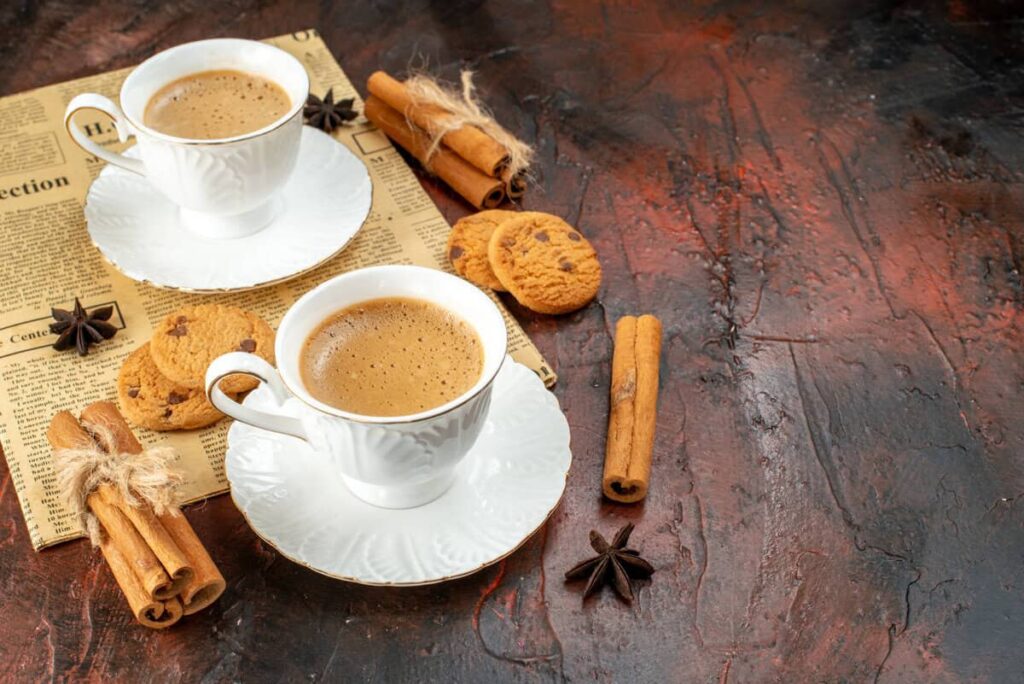
Discover the Island’s Rich Tea Heritage
Tea has long been part of everyday life in Mauritius. Whether shared with family during breakfast, enjoyed with afternoon snacks, or offered to guests as a gesture of hospitality, a good cup of tea is deeply rooted in Mauritian culture. Beyond being a popular beverage, tea tells the story of the island’s agricultural heritage, multicultural influences, and evolving traditions.
Many visitors are surprised to learn that Mauritius has its own tea plantations and produces locally grown tea that is enjoyed both on the island and abroad. Combined with breathtaking scenery, historic estates, and unique flavoured teas, Mauritius offers a tea culture that deserves to be explored.
Whether you are a tea enthusiast, a traveller looking for authentic experiences, or simply curious about local traditions, discovering Mauritian tea culture provides a fascinating glimpse into one of the island’s most cherished customs.
What Makes Mauritian Tea Unique?
Mauritian tea is known for its smooth flavour, locally grown leaves, and distinctive tropical infusions. Tea plantations located in the island’s central plateau benefit from a cooler climate and fertile volcanic soil, creating ideal conditions for tea cultivation. Many local producers also blend traditional black tea with natural flavours such as vanilla, coconut, bergamot, and tropical fruits, creating uniquely Mauritian varieties that cannot easily be found elsewhere.
Tea is not simply consumed in Mauritius. It is grown, processed, celebrated, and shared as part of the country’s cultural identity.
The History of Tea in Mauritius
Tea cultivation in Mauritius dates back to the nineteenth century, when the island’s climate and fertile soils were recognised as suitable for growing tea. Commercial production expanded during the colonial period as agriculture diversified beyond sugar cane.
Over the decades, tea became an important agricultural product, creating employment opportunities and contributing to the island’s economy. While sugar remains one of Mauritius’ most recognised crops, tea continues to hold an important place in both agriculture and local culture.
Today, tea plantations continue to preserve this heritage while welcoming visitors who wish to learn about the production process from leaf to cup.
Tea Is Part of Everyday Mauritian Life
Unlike beverages reserved for special occasions, tea is enjoyed throughout the day by many Mauritians.
It is common to begin the morning with a cup of tea before work, share tea during family gatherings, or enjoy it alongside local pastries during the afternoon. Offering tea to visitors remains a warm gesture of hospitality in many Mauritian households.
Tea is often accompanied by traditional treats such as:
- Napolitaines
- Gateau patate
- Gateau coco
- Dholl puri during breakfast
- Homemade cakes and biscuits
The combination of tea and local delicacies creates simple moments that strengthen family and community connections.
Visiting Tea Plantations in Mauritius
One of the best ways to experience Mauritian tea culture is by visiting one of the island’s tea estates.
These estates allow visitors to explore tea fields stretching across rolling hills while learning about cultivation, harvesting, drying, blending, and packaging.
Many tours include guided walks through the plantations, demonstrations of traditional processing techniques, tastings of locally produced teas, and opportunities to purchase products directly from the source.
The scenic landscapes surrounding the plantations also make them popular destinations for photographers and nature lovers.
Flavoured Teas Reflect the Island’s Diversity
Mauritius is famous for blending cultures, and its tea reflects that same diversity.
Local producers have developed distinctive flavours inspired by ingredients grown on the island.
Popular varieties include:
- Vanilla tea
- Coconut tea
- Bergamot tea
- Green tea
- Black tea
- Herbal infusions
- Tropical fruit blends
These flavours provide visitors with a uniquely Mauritian tasting experience while supporting local agricultural production.
Tea Tourism Continues to Grow
Tea tourism has become an increasingly popular attraction for visitors looking to discover another side of Mauritius beyond its beaches.
Many travellers combine tea estate visits with nearby attractions, nature reserves, historical sites, and local restaurants to create memorable day trips.
Tea estates often include museums, restaurants, souvenir shops, and scenic viewpoints, making them ideal destinations for couples, families, and organised tours.
Experiencing tea production firsthand helps visitors appreciate the craftsmanship behind every cup.
Tea and Sustainability
Modern tea producers in Mauritius increasingly recognise the importance of sustainable farming practices.
Many estates focus on protecting surrounding ecosystems, reducing water consumption, improving soil health, and preserving biodiversity while maintaining high-quality tea production.
Sustainable agriculture not only benefits the environment but also helps ensure that future generations can continue enjoying Mauritius’ rich tea heritage.
Consumers are also becoming more interested in locally produced products that support responsible farming and local communities.
Tea Makes a Perfect Mauritian Gift
For many visitors, locally produced tea is one of the most authentic souvenirs they can take home.
Unlike mass-produced gifts, Mauritian tea represents the island’s culture, agriculture, and craftsmanship in a practical and enjoyable way.
Beautifully packaged tea blends featuring local flavours are available at tea estates, specialty shops, airports, and many souvenir stores throughout Mauritius.
Sharing Mauritian tea with friends and family also allows visitors to continue their island experience long after returning home.
The Future of Mauritian Tea
Although consumer preferences continue to evolve, tea remains an important part of Mauritius’ cultural and agricultural landscape.
Growing interest in wellness, organic products, sustainable farming, and authentic travel experiences is creating new opportunities for local tea producers.
By combining tradition with innovation, Mauritius continues to strengthen its reputation as a producer of high-quality specialty teas while preserving a heritage that has been enjoyed for generations.
Tea is likely to remain an important symbol of Mauritian hospitality for many years to come.
Tea is far more than a beverage in Mauritius. It represents history, agriculture, hospitality, and the island’s multicultural identity. From peaceful tea plantations in the central highlands to family homes where guests are warmly welcomed with a freshly brewed cup, tea continues to bring people together.
Whether you are exploring Mauritius for the first time or rediscovering local traditions, taking the time to experience Mauritian tea culture offers a deeper appreciation of the island beyond its famous beaches and lagoons.
If you’re planning to visit a tea estate, enjoy a traditional afternoon tea, or purchase locally produced blends, explore Moris.click to discover tea plantations, cafés, restaurants, and local businesses celebrating one of Mauritius’ most cherished traditions.