Celebrations That Define the Island
Mauritius is often celebrated for its beaches, lagoons and tropical climate. Yet what truly makes the island unique is its people.
Few countries in the world can claim the same level of cultural diversity found in Mauritius. Descendants of African, Indian, Chinese and European communities have lived together for generations, creating a society where different cultures, religions and traditions coexist peacefully.
This rich cultural heritage is reflected throughout the year in a variety of festivals and celebrations. These events are not simply public holidays or tourist attractions. They are moments when families come together, traditions are passed from one generation to another, and communities celebrate the values that shape Mauritian society.
If you want to understand the true spirit of Mauritius, these are the cultural events you should know.
Maha Shivaratree: Mauritius’ Largest Pilgrimage
Among all cultural and religious celebrations in Mauritius, Maha Shivaratree is perhaps the most impressive.
Observed by the Hindu community, this festival is dedicated to Lord Shiva and is marked by a remarkable pilgrimage to Grand Bassin, also known as Ganga Talao. Located in the heart of the island, this sacred crater lake is considered one of the most important Hindu pilgrimage sites outside India.
Weeks before the festival, preparations begin across the country. Families and community groups build colourful kanwars, elaborate wooden structures decorated with flowers, lights and religious symbols. These kanwars are carried on the shoulders of devotees during their journey to Grand Bassin.
As the festival approaches, roads throughout Mauritius become filled with pilgrims walking long distances, sometimes for several days. Many travel from villages and towns across the island, demonstrating extraordinary devotion and determination.
What makes Maha Shivaratree particularly special is the atmosphere of unity it creates. Along the roads, volunteers provide food, drinks and assistance to pilgrims regardless of their background. The event transforms the island into a moving celebration of faith, generosity and community spirit.
For many Mauritians, Maha Shivaratree represents one of the most important moments of the year.
Eid-ul-Fitr: A Celebration of Gratitude and Generosity
At the end of the holy month of Ramadan, the Muslim community celebrates Eid-ul-Fitr, one of the most joyful occasions on the Mauritian calendar.
Ramadan is a month dedicated to fasting, prayer, reflection and charity. For thirty days, Muslims abstain from food and drink during daylight hours while focusing on spiritual growth and self-discipline.
Eid-ul-Fitr marks the conclusion of this important period.
On the morning of Eid, families gather for special prayers before spending the day visiting relatives and friends. Homes are filled with the aroma of traditional dishes, while guests are welcomed with warmth and hospitality.
One of the most beautiful aspects of Eid in Mauritius is its emphasis on sharing. Families often exchange food, gifts and good wishes with neighbours and friends, creating a spirit of generosity that extends beyond the Muslim community.
The celebration serves as a reminder of gratitude, compassion and the importance of helping others, values that resonate across all cultures.
Cavadee: A Powerful Expression of Faith
Among the Tamil community, Cavadee stands as one of the most significant religious celebrations in Mauritius.
Dedicated to Lord Murugan, the festival symbolises devotion, sacrifice and spiritual purification. The days leading up to Cavadee are marked by fasting, prayer and personal reflection. Participants often follow strict religious practices as they prepare themselves spiritually for the event.
On the day of the celebration, devotees take part in colourful processions that make their way towards temples across the island. Many carry beautifully decorated structures known as cavadees, while others perform acts of devotion as part of their religious commitment.
The vibrant colours, traditional music and ceremonial rituals make Cavadee one of the most visually striking celebrations in Mauritius. Yet beyond its beauty lies a deeper spiritual meaning. For participants, the event represents discipline, faith and the ability to overcome personal challenges through devotion.
Even those unfamiliar with Tamil traditions are often moved by the dedication and sincerity displayed during the festival.
Chinese Spring Festival: Welcoming a New Beginning
The Chinese Spring Festival, commonly known as Chinese New Year, is one of the most colourful cultural events in Mauritius.
Although the Chinese community represents a relatively small percentage of the population, its influence on Mauritian culture and business life has been significant for generations. The Spring Festival remains the most important celebration in the Chinese calendar.
In the weeks leading up to the festival, families prepare their homes, decorate with traditional symbols and gather for special meals. The colour red dominates decorations because it symbolises prosperity, luck and happiness.
The heart of the celebration can often be found in Chinatown, Port Louis, where streets are transformed with lanterns, banners and festive decorations. Traditional lion and dragon dances entertain large crowds while musicians and performers contribute to the vibrant atmosphere.
The festival is a celebration of renewal and hope. It marks the beginning of a new year and offers an opportunity to look forward with optimism and ambition.
For many Mauritians, attending Chinese New Year festivities has become an annual tradition regardless of cultural background.
Festival Kreol: Celebrating the Soul of Mauritius
If one event captures the spirit of Mauritian identity, it is Festival Kreol.
Created to celebrate Creole culture and heritage, this festival highlights many of the traditions that have helped shape modern Mauritius. It is a celebration of language, music, cuisine, history and artistic expression.
Throughout the festival, communities across the island organise concerts, exhibitions, cultural performances and culinary events. Traditional sega music takes centre stage, accompanied by dancing, storytelling and artistic displays that showcase the richness of Creole culture.
Festival Kreol is particularly important because it helps preserve traditions that might otherwise be forgotten by younger generations. It also encourages greater understanding of the historical experiences that contributed to the development of Mauritian society.
For many people, Festival Kreol is not only a celebration of one community but a celebration of the cultural diversity that defines the entire nation.
Independence Day: A Celebration for Every Mauritian
While many cultural events are linked to specific communities or religions, Independence Day belongs to every Mauritian.
Celebrated each year on 12 March, Independence Day commemorates Mauritius’ independence in 1968 and its transition to a republic in 1992.
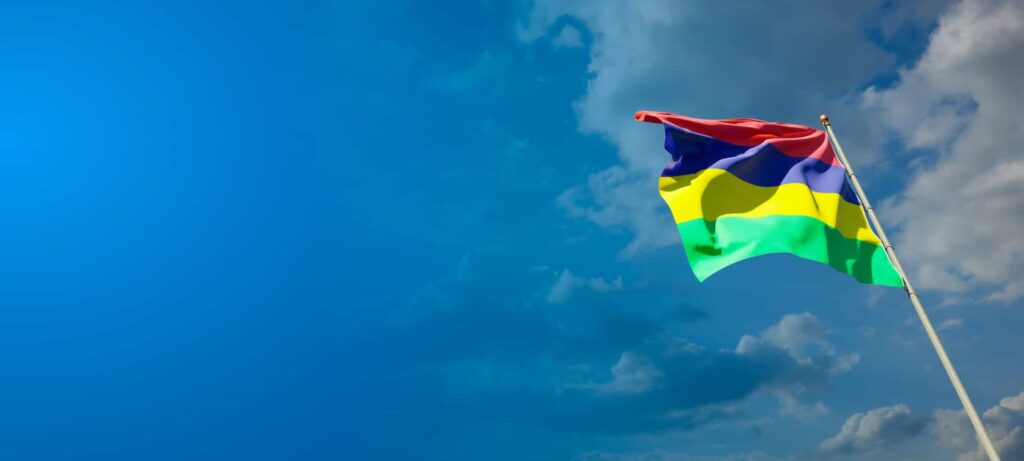
Across the island, national flags appear on homes, businesses and public buildings. Schools organise special activities, while official ceremonies, concerts and cultural performances take place throughout the country.
The day provides an opportunity to reflect on the nation’s journey and achievements while celebrating the values that unite Mauritians regardless of their origin, language or religion.
In a country known for its diversity, Independence Day serves as a powerful reminder that despite different traditions, all Mauritians share a common identity and future.
Why These Cultural Events Matter
Cultural events are more than celebrations.
They preserve traditions, strengthen communities and create opportunities for people from different backgrounds to learn from one another.
One of Mauritius’ greatest strengths is its ability to embrace diversity while maintaining social harmony. These festivals demonstrate how different communities can celebrate their unique traditions while contributing to a shared national identity.
They are living reminders that Mauritius is not defined by a single culture but by the remarkable coexistence of many cultures.
The cultural richness of Mauritius extends far beyond its landscapes and tourist attractions.
From the pilgrimage of Maha Shivaratree and the devotion of Cavadee to the generosity of Eid-ul-Fitr, the festivities of Chinese New Year, the pride of Festival Kreol, the unity of Independence Day and the rhythm of sega, each celebration tells a story about the island and its people.
Together, these events form a vibrant cultural mosaic that makes Mauritius one of the most fascinating and diverse countries in the world.
For anyone seeking to understand the true heart of Mauritius, there is no better place to start than with the celebrations that bring its communities together.