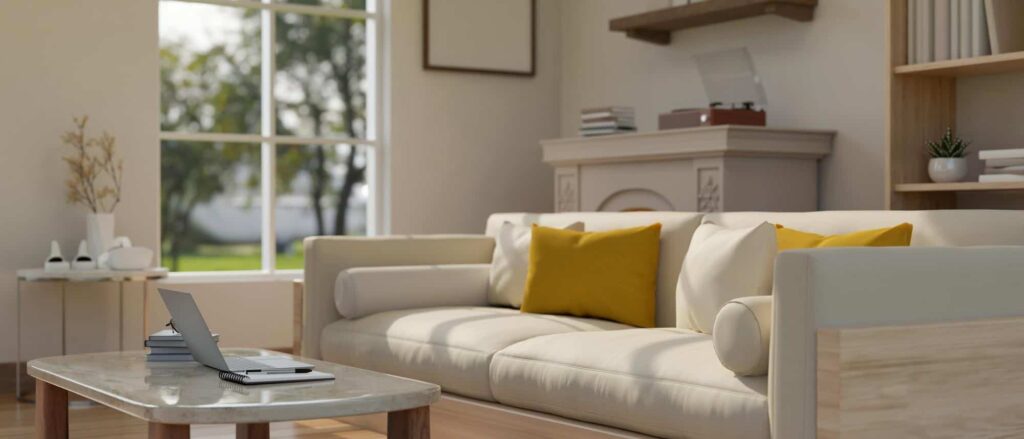
How to Simplify Your Life and Home
In a world filled with constant distractions, overflowing wardrobes, endless notifications and busy schedules, many people are beginning to ask a simple question:
“Do I really need all of this?”
Minimalism has grown from a design trend into a lifestyle movement embraced by people seeking more clarity, less stress and greater freedom. Contrary to popular belief, minimalist living is not about owning almost nothing or living in an empty house.
Instead, it is about intentionally keeping the things that add value to your life and letting go of what does not.
Whether you live in a small apartment in Quatre Bornes, a family home in Curepipe or a coastal villa in Tamarin, the principles of minimalism can help create a calmer and more organised life.
Start by Decluttering One Space at a Time
One of the biggest mistakes people make is trying to declutter their entire home in a single weekend.
The process quickly becomes overwhelming.
A better approach is to focus on one area at a time. Begin with a drawer, a cupboard or a single room. As you sort through your belongings, ask yourself whether each item serves a purpose, brings value or is regularly used.
Many people are surprised by how many things they keep simply out of habit.
Small victories create momentum and make larger projects much easier to tackle.
Create Space Instead of Filling It
Modern culture often encourages people to fill every available space.
When there is an empty shelf, we buy decorations. When there is a spare corner, we add furniture.
Minimalist living encourages a different perspective.
Empty space can be valuable.
A room does not need to be completely full to feel comfortable or attractive. In fact, spaces with fewer unnecessary items often feel larger, brighter and more relaxing.
Creating space allows important features of a home to stand out naturally.
Buy With Intention
One of the most powerful minimalist habits is becoming more intentional about purchases.
Before buying something new, consider:
- Do I really need it?
- Will I use it regularly?
- Does it solve a genuine problem?
- Do I already own something similar?
Many impulse purchases provide only temporary satisfaction before becoming clutter.
By making thoughtful buying decisions, you can save money while maintaining a more organised home.
Focus on Quality Rather Than Quantity
Minimalism does not mean avoiding purchases altogether.
Instead, it often encourages investing in fewer, higher-quality items.
A well-made piece of furniture, a durable appliance or a quality wardrobe item may cost more initially but often lasts significantly longer.
This approach reduces waste, improves functionality and can save money over time.
Many minimalists prefer owning a few excellent items rather than many mediocre ones.
Simplify Your Wardrobe
Closets are often one of the easiest places to begin a minimalist journey.
Many people regularly wear only a small percentage of the clothes they own.
Consider keeping clothes that:
- Fit well
- Are comfortable
- Match your lifestyle
- Are worn frequently
A simplified wardrobe makes daily decisions easier and reduces unnecessary clutter.
It can also help identify what you genuinely enjoy wearing.
Reduce Digital Clutter
Minimalism is not limited to physical possessions.
Digital clutter can be just as overwhelming.
Thousands of unread emails, unused applications, duplicate photos and constant notifications create mental noise.
Taking time to organise digital spaces can improve focus and productivity.
Simple actions such as unsubscribing from unwanted emails, deleting unused apps and organising files can have a surprisingly positive impact.
Choose Multi-Purpose Items
One principle of minimalist living is maximising usefulness.
Items that serve multiple purposes help reduce clutter without sacrificing functionality.
Examples include:
- Storage furniture
- Convertible workspaces
- Multi-functional kitchen tools
- Foldable furniture
This approach is particularly valuable in smaller homes where space is limited.
Spend More on Experiences
Many people discover that experiences provide longer-lasting happiness than possessions.
Travel, family outings, learning opportunities and shared experiences often create more meaningful memories than material purchases.
Minimalism encourages shifting focus away from accumulating things and towards enjoying life.
This mindset can contribute to greater satisfaction and personal fulfilment.
Learn to Say No
Minimalist living also applies to commitments and schedules.
Many people feel overwhelmed not because they own too much, but because they try to do too much.
Learning to say no to unnecessary obligations creates more time for priorities.
Protecting your time can be just as important as decluttering your home.
A simpler schedule often leads to reduced stress and improved wellbeing.
Create a Calm Home Environment
A minimalist home is not necessarily modern or expensive.
It is simply intentional.
Natural light, organised spaces, functional furniture and thoughtful decoration often create a more peaceful atmosphere.
The goal is not perfection.
The goal is creating a home that supports your lifestyle rather than distracting from it.
Small changes can have a significant impact on how a space feels.
Minimalism and Sustainability
One reason minimalism continues to grow in popularity is its connection to sustainability.
Consuming less often leads to:
- Less waste
- Lower energy consumption
- More thoughtful purchasing
- Greater appreciation for resources
By focusing on quality and necessity, minimalist living naturally supports more environmentally responsible choices.
This makes it attractive to people who care about both personal wellbeing and the planet.
The Financial Benefits of Minimalism
Many people discover unexpected financial benefits after adopting minimalist habits.
When impulse purchases decrease, savings often increase.
Fewer possessions also mean:
- Less maintenance
- Lower replacement costs
- Reduced storage needs
- Better budgeting
Over time, these benefits can contribute to greater financial freedom and peace of mind.
Minimalism Is Personal
One of the most important things to understand is that minimalism looks different for everyone.
A family with children will have different needs than a single professional.
A business owner may require different tools than a retiree.
The goal is not to follow strict rules.
The goal is to identify what adds value to your life and remove what does not.
Your version of minimalism should reflect your own priorities and circumstances.
Why Minimalism Is Growing in Mauritius
As homes become more expensive, lifestyles become busier and awareness of sustainability increases, many Mauritians are embracing simpler ways of living.
People are becoming more interested in:
- Decluttering their homes
- Reducing unnecessary spending
- Living more sustainably
- Improving work-life balance
- Creating calmer living environments
Minimalism offers practical solutions to many of these challenges.
It provides a framework for living with greater intention in an increasingly complex world.
Minimalist living is not about deprivation.
It is about making room for what truly matters.
By reducing clutter, simplifying decisions and focusing on meaningful experiences, it becomes easier to create a life that feels more organised, less stressful and more fulfilling.
Whether you start with a single drawer, a wardrobe or your digital files, small changes can lead to significant improvements over time.
The goal is not to own less for the sake of owning less.
The goal is to create more space for the people, activities and experiences that genuinely enrich your life.